
Dog Days of Winter
A Skiers Recovery Guide
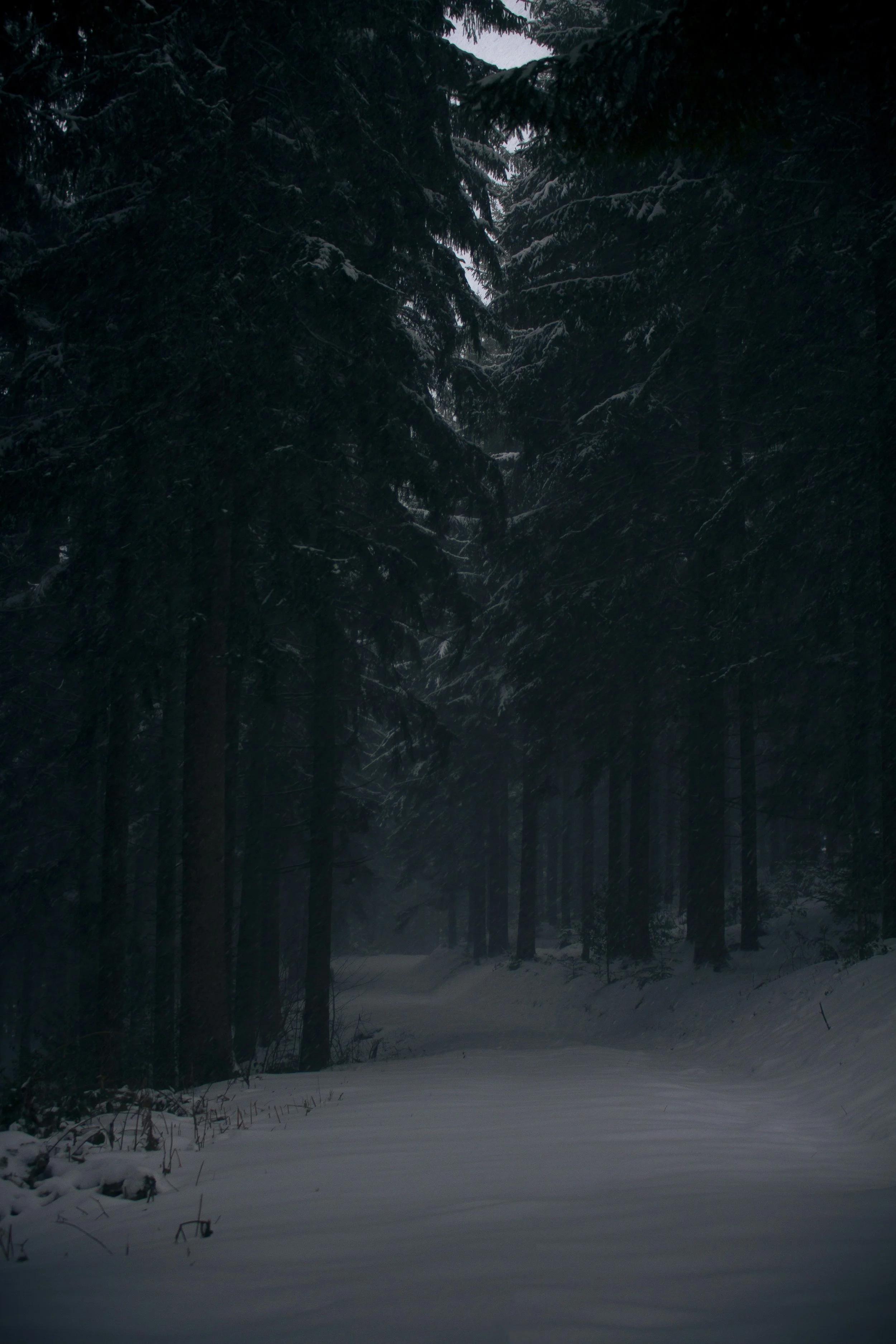
The darkest days of December brought a creative block. It felt endless; I tried everything to break out of it. But the dark days of winter loomed upon me, and with my active and outdoor fresh air outlet now gone after a skiing accident, anything I did, wrote, or made felt futile.
Writing this blog post even felt frivolous and unnecessary. Like a cry for help I didn't need.
But this isn't a highlight reel on Instagram, it's a blog. And it's a personal blog. And if there is anything to know about the creative process, it's that you just need to start.
Here I am writing about recovering from the most mediocre run that almost put me out for the season. Because I can't write about all of the fun ski trips and my journey to 100 days.
When Winter Gets Dark
The whole plan needed adjusting. Instead of intense workouts, training days, and open gyms, the focus shifted to rest and early physical therapy. It helped combat boredom, and because the injuries were minimal, pain subsided quickly enough to start recovery.
Recovery Tip:
Adjust expectations immediately. Clinging to original plans breeds frustration. Pivot to what the body can handle now, not what it should be doing.
My mother has called this my "wake-up call" and I'll forever be grateful that it looks like I'll get to ski again this season.
Pain and Torture (But the Good Kind)
Besides the first week of "recovery" being absolutely useless since my household had contracted the flu, my entire body felt like it was falling apart. It took extra long for the rest of my body to heal before I could start on my knee.
My plan to get back on the slopes was a different story, there was very little rest invovled. My light PT consisted of lifting my knee 6cm off the ground and a few other simple exercises that started to help me regain the mobility back in my knee. The nickname for physical therapy being "pain and torture" is no joke.
I saw improvement day by day. From having zero bend in my knee to a slight bend by the end of the week to almost 45 degrees in 3 weeks. I moved to another level of PT and started to work on my balance and strength as my mobility started to get better by the day.
Recovery Tips:
Embrace the discomfort: If it feels like a good workout burn (not sharp pain), you're on track
Daily consistency beats intensity: 15 minutes of PT daily outperforms one aggressive hour weekly
Sticking with the recovery plan and being consistent with my excersises got me back on the slopes (on some green groomers) with in about 6 weeks. After 8 weeks I was able to push myself to almost back to normal.
Who would have thought that taking care of an injury would actully help heal it?
The Balancing Act
I found balance still to be the hardest thing to rebuild. Walking with a normal, even stride after 4 weeks proved to be a challenge. With rest, PT, and the constant support of my partner and family, getting back on the slopes this season and still meeting some of my goals is a real possibility!
But balancing my mental state was the more difficult part of healing. Getting down on myself over an accident that I had no control over was silly, but still something I dwelled on. I am lucky enough to be surrounded with a support system that wouldn't let me quit. They knew how much skiing meant to me and how important it was for me to get back to where I was.
Because skiing brings me the type of joy I've never found in anything I had done before, and I wasn't about to let that go.
Recovery Tips:
Mental health matters: Write down one gratitude daily, even if it's just "didn't need surgery"
70% is enough to start: Don't wait for 100% gradual reintroduction prevents atrophy and builds confidence
Reframe the comeback: It's not starting over, it's day 1.2 you're building on existing foundation
